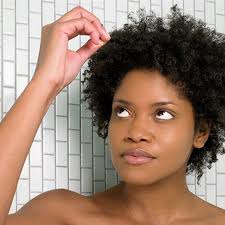
Tampilkan postingan dengan label detangling. Tampilkan semua postingan

Rabu, 11 Juli 2012

0 Looking For A Hair Detangler? Check Out These Detangling Tools!

Over on CurlyNikki they are discussing "The Best Detangling Tips & Tools":  "Detangling is one of the dreaded tasks that every natural must do if she wishes to properly maintain her hair but let’s face it- it can be a pain in the posterior. It is a constant battle between getting the tangles out and removing shed hair but not snagging the hair or over manipulating it. With all of this headache associated with this process I thought it would be helpful to give a thorough breakdown of the tools and methods that can help us get through this ordeal while keeping as much hair as possible on our heads and out of our combs and brushes."

Check out CurlyNikki for the rest of this post: Finding A Great Detangler

My detangling tools of choice are; my fingers, The Denman Brush & a wide tooth comb (only on dry/damp hair). 

What tools do you use to detangle your natural hair?


Kamis, 05 Januari 2012

0 How To Wash Natural Hair To Prevent Tangles

I was browsing CurlyNikki.com and found this article by Shelli of Hairscapades talking about her hair routine and how she has incorporated twists.


"I’ve never had a problem with my hair re-tangling after a detangling session. So, when I initially read about the technique of twisting for washing, conditioning and deep conditioning, I didn’t think it was necessary or relevant for my curl pattern/texture. However, several months ago, I started to twist my hair into four sections after applying a DC. Then, when I started pre-pooing and dry finger detangling, I started to twist my hair as I applied my pre-poo of choice (coconut or Vatika oil at the time). Next, I started to twist my hair after I co-washed and detangled each section. Now, I use twists throughout my wash day routines. The reason I’ve done so is because I’ve found that the twists seem to prep my hair to retain TnC and twist out sets. I have about 4 different textures on my head (who doesn’t, right?) and this process of setting the twists seems to create a “memory” for my hair to follow that wave pattern. However, I believe my TnC and twist-out sets have greatly improved in consistency of pattern, definition and hold from using twists throughout my wash session."


Do you wash in twists? (Question asked on CurlyNikki)


Yes, I do. I detangle and twist each section after the tangles are all out. I shampoo & condition with the twists and then moisturize and re-twist each section to style my hair or airdry. 


For Your Body & Hair Butters Visit:DIY Hair Care Products


Jumat, 28 Oktober 2011

0 Are You Removing Your Shed Hair Effectively?

Image and video hosting by TinyPic


via PreciousCurls: Are You Removing Your Shed Hair Effectively?


"Detangling involves getting rid of shed hairs. Shed hairs are hairs that have completed their growing cycle and are no longer attached to the scalp. Read more about the growth cycle here. The average person sheds about 50-100 hairs a day. You can identify a shed hair by looking for the white bulb at the end of the hair."


"f you do not get rid of shed hairs, they can tangle up with other hairs on your head, causing those dreaded single strand knots, mats, and ultimately, breakage. So how can you get rid of your shed hairs?"


"Combs are great for detangling, but not for getting rid of shed hairs."


Read the rest of her article here on Precious Curls


I feel the same way about detangling! I do not like using a wide tooth comb, I prefer my Denman brush for this very reason; it gets out all of the shed hairs. When people ask how much hair I shed a day, I have to think hard because my hair doesn't just come out during the week. I detangle it all at the end of the week on wash day and I don't see any shed hairs until I detangle again or if I co-wash.


For Your Body & Hair Butters Visit:DIY Hair Care Products 

Minggu, 19 Juni 2011

0 Split Ends and Breakage- Could How You Detangle Be The Problem?


Upon becoming a natural, one of the first rules we all learn is how  to "properly" detangle our curls. This rule includes what tools to use, whether to detangle on wet or dry hair and in which direction to detangle the hair. Could some of this information be damaging our natural hair and causing some of the problems that plaque many of us such as split ends, single strand knots and breakage?

First, let's talk about what tools to use when detangling and my own personal experiences. The natural hair community is pretty much split down the middle on whether the Denamn brush or wide tooth comb is better for detangling. I personally prefer the Denamn brush to the comb. The teeth on the Denman actually bend a bit and seem to detangle my hair quicker than the comb, which results in less stress due to less passing of the brush back and forth through my strands. While, I don't mind the wide tooth comb, it just takes more effort to get all the tangles out with a comb than the Denman but, I will use a comb in a pinch.

Remember, the less passes you have to do while detangling the less damage you're also doing to your hair. With every pass of the brush or comb you are exposing your hair to more damage.

Unanimously, among naturals detangling on wet hair is a must. It was for me too until I started noticing more breakage in my bath tub and sink when I detangled on soaking wet hair in the shower. Wet hair is more elastic than dry hair, allowing it to stretch more when detangling. To most women this means,it's less likely to snap off and break during the process.

Think of it like this, take a rubber band for example and stretch it out over and over and over and over again. You may not notice any damage the first few times but, over time you will start to see small tears and holes all throughout the rubber band. Although, the rubber band is stretchy it is also fragile. Wet hair in turn is also more fragile than dry hair.

Now, that doesn't mean go off and detangle on dry hair either. Dry hair that is lacking moisture (as most of our hair is on wash day and in need of a conditioning) can easily snap and break from detangling. While this method works for some, it certainly doesn't work for all.

My medium is using a conditioner to coat my strands and applying a conditioner with lots of slip to act as a barrier between the comb and my hair and help glide the brush through my hair.

And finally, we are told that we have to detangle from tip (ends) to root. Great advice! It is smarter to work the tangles out and then move up the section to the root. The problem is, I think many naturals took this as "Concentrate on the ends and then move up the section". I have watched many YouTube videos where someone will detangle a section and spend way too much time on their ends. Remember, the more you pull a comb or brush through your hair the more damage your are likely doing to your strands.

If it takes extra effort to detangle your ends then maybe it's time for a trim, a new conditioner or detangling tool. Remember the rubber band example? Yes, this is what you do each time you swipe the comb/brush through your ends especially when wet.

Now as always if what you're doing is working for you then by all means continue on BUT, if you're dealing with breakage, split ends, etc. then maybe these tips can help you!


For Your Body & Hair Butters Visit:DIY Hair Care Products

Senin, 23 Mei 2011

0 Remember The Natural Hair Care Basics


With so much information on the internet and so many people telling you what to do with YOUR hair, it can be hard to stay on track. Even though, no two heads of natural hair are alike, we all can benefit from the same basic rules of natural hair care. You can always add to these basic rules, as with all things you should tweak them to your liking and hair needs. Here are some basic things to remember to help you stay on track to retain length and achieve healthy natural hair!


Shampoo

Okay so there are a lot of people who believe you don't have to shampoo your hair. I'm not of that school of people. None of the women, I follow with long natural hair (I'm talking waistlength and beyond) follow a no-shampoo regimen. I truly believe that it is essential that you shampoo your hair, especially as it gets longer. No what kind of shampoos you use are up to you. You can use shampoo bars, diluted shampoo or even a shampoo conditioner 2 in 1 combo. Just make sure, you are cleansing your hair at least once a month and if you ask me, even that is pushing it.

I just can't get over putting product on top of product, on top of product and never washing that product off your hair strands. Since water and oil don't mix, you need some type of soap to cling to the oil and allow it to be rinsed off by the water, this is basic science.


Rinse-Out Conditioner

I read one woman talking about not using rinse out conditioner anymore and how her hair felt great and she hadn't seen any ill results. Although, I think this can work if you use shampoo bars or add oils to your shampoo. It still shows that people may not know why rinse out conditioners exist. Rinse-out conditioners are made to restore your hairs natural balance balance. Shampoo usually has a negative charge ( Check out this post on The Natural Hair Haven on shampoo and surfactants) and conditioners have a positive charge and are made to deposit while shampoo is made to take off product, long story short. So, the 2 work together to rebuild your hair. One cleans and the other restores.

Leave-In Conditioner

Even though, water is the best moisturizer, you do need some kind of leave-in product to at the very least, protect your hair from the outside elements. There are a wide range of leave in conditioners to choose from, choose the best one for your regimen. If you co-wash or shampoo and condition often, you may only need a light leave-in conditioner. Sealing is optional depending on how often you moisturize your hair.

Detangling

No matter if you detangle, root to tip or tip to root, it's important to detangle. I know, some of you are wondering why I said root to tip, for some with a looser curl pattern root to tip works for them when detangling. Detangling not only gets rid of tangles but, it also helps get out the shed hair. If you aren't thorough in detangling and getting out the shed hair, you could end up with matted hair or dred locks. Remember, if your hair sheds a lot, the longer you go without detangling and getting those shed hairs out the bigger your risk is for matted, tagled, knotted hair. This is especially important, if you style or manipulate your hair often.

A note about wide tooth combs- I noticed with the wide tooth combs, I have to make sure I really detangle every section thoroughly because, with the teeth being so wide some parts of my hair weren't getting detangled. This is one reason why I went back to my Denman brush.

I hope this tips help, if you're in a hair rut or going through some struggles with breakage or shedding. Just remember that no matter what you read online, don't forget the basics. Clean moisturized hair, retains length, remember that! (Of course, do what works best for you! If no shampoo works for you then you do that, I'm trying to knock the regimen!)

For Your Body & Hair Butters Visit:DIY Hair Care Products 

Selasa, 05 Oktober 2010

0 Dry hair...

I just got back in town after being in dry Texas for a week and a half and my hair is so dry... I wore it in a ponytail the whole time I was there and didn't put a lick of conditioner in it. Sad right? I took my conditioner but the bees were so bad out there that I didn't even want to risk being stung (they were all over me when I wore lotion).

What I plan to do it is do a deep condition with honey, Castor oil, and a cheap conditioner (white rain tropical coconut), shampoo, condition and then do an oil rinse (more on that later).

I am not sure if I will detangle after the shampoo or after the deep condish...

Benefits of honey for hair: It is high in vitamins and minerals, and has wonderful benefits for the skin and hair. Honey is a good humectant and emollient, serving as a good moisturizer and conditioner.

Read more: http://www.care2.com/greenliving/honey-hair-conditioner.html##ixzz11W9LmlMs


Benefits of Castor oil: Castor oil is a humectant as it draws moisture into the hair and skin. Applying castor oil on hair will keep it looking soft, shiny and strong.
Read more: http://skinverse.com/castor-oils-many-uses-for-beautiful-skin-and-hair.html


Of course do your own research to see if these products are great for you. I find that using Castor oil for my oil rinse and them putting a towel over my hair (kind of like a steam treatment) makes my hair really soft. In the morning all I do is add some coconut oil (because it is so light) and bun my hair.

Doing all of this from beginning to end (deep condition to bun) take about an 1 hr.; detangling included.

As you can see I like to Keep It Simple!

 
back to top